🎙️ Volunteer Guide Story
Tirebolu (Saint Jean) Castle
✓
Volunteer guide content approved by an administrator
Dear visitors, I would now like to introduce you to Tirebolu (Saint Jean) Castle, one of the landmarks of the Tirebolu district in Giresun. Situated on a rocky peninsula extending into the sea in the district center, the castle is a significant structure that reflects the coastal history of the Black Sea and the region's defensive past. Although referred to as Saint Jean Castle in historical records, the exact date of its construction remains unknown. However, it is suggested that the castle may have been originally built during the Hellenistic or Roman periods and later renovated during the era of the Kingdom of Pontus, acquiring the characteristics of a medieval fortress. Its location, surrounded by the sea, gave the castle strategic importance in the past for monitoring the coastline and surrounding transit routes.
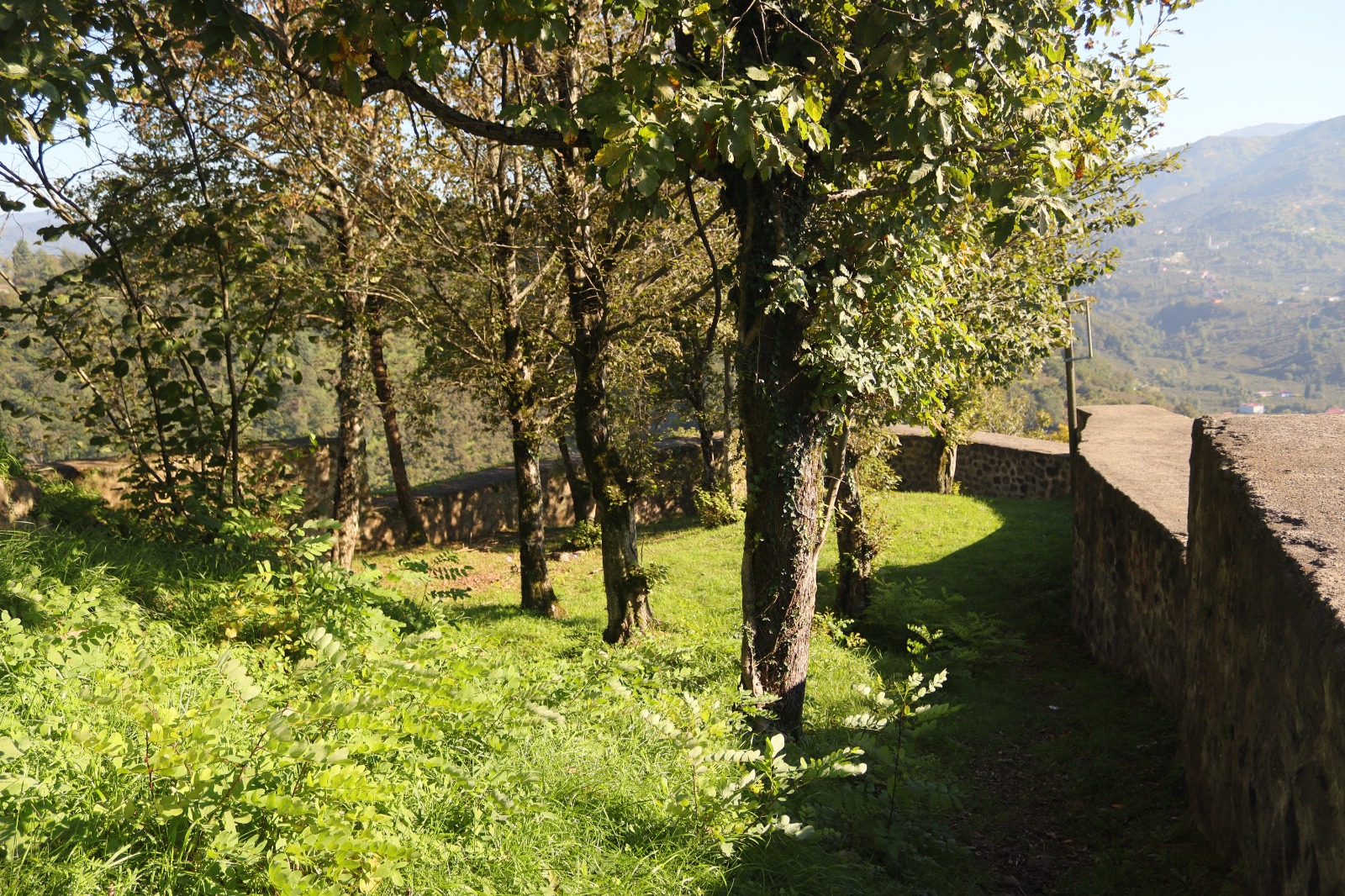
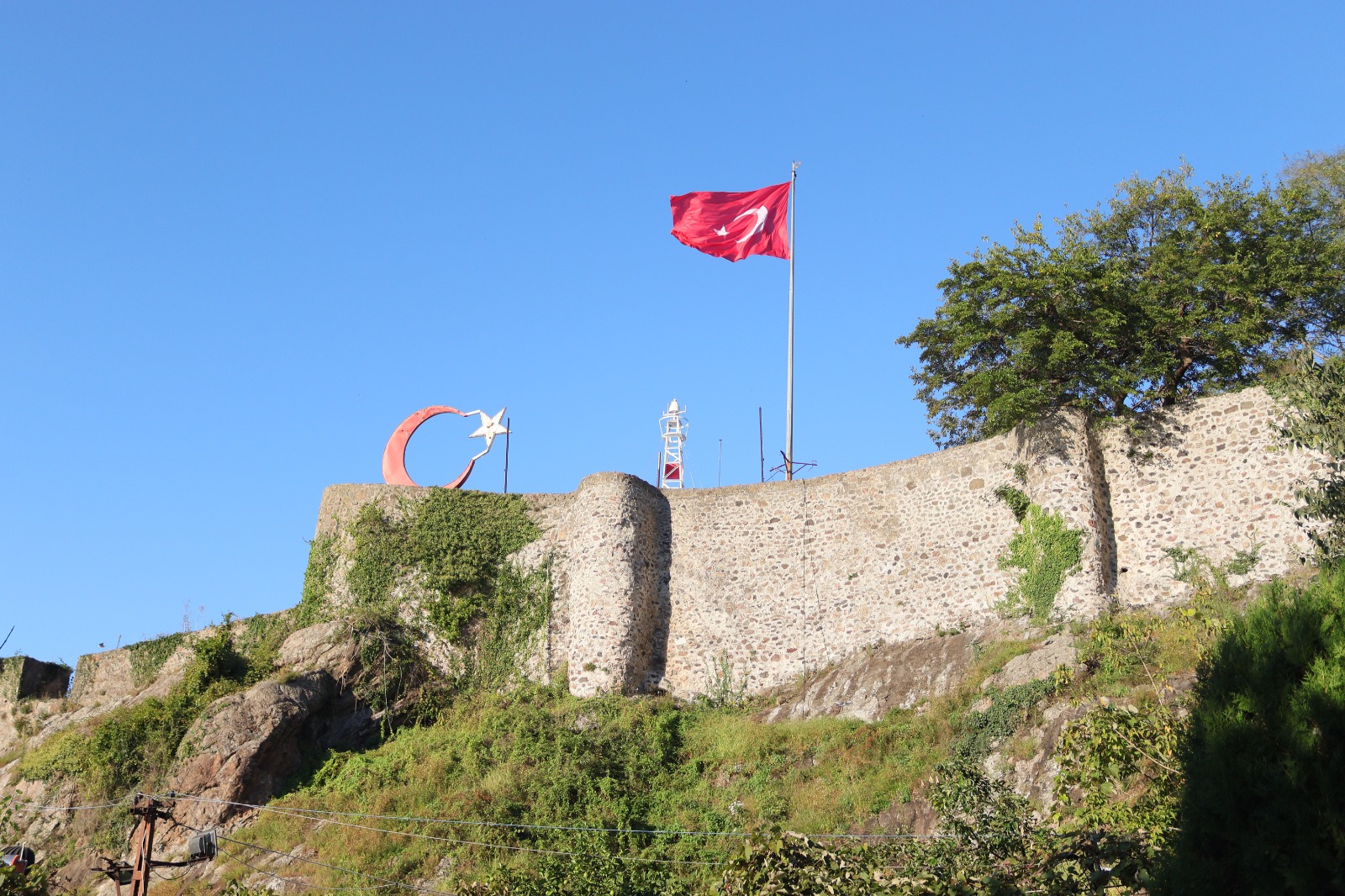
The castle was constructed using a masonry technique with roughly hewn stones and rubble, following the natural contours of the peninsula. At the entrance, accessible via steep stairs from the south, stands a gate with a depressed arch facing the town. External buttresses supporting the ramparts at intervals are among the architectural details that enhance the structure's stability. While the surviving ramparts help us understand the castle's past defensive function, its appearance—integrated seamlessly with the rocky peninsula—is another striking feature of this historic structure.
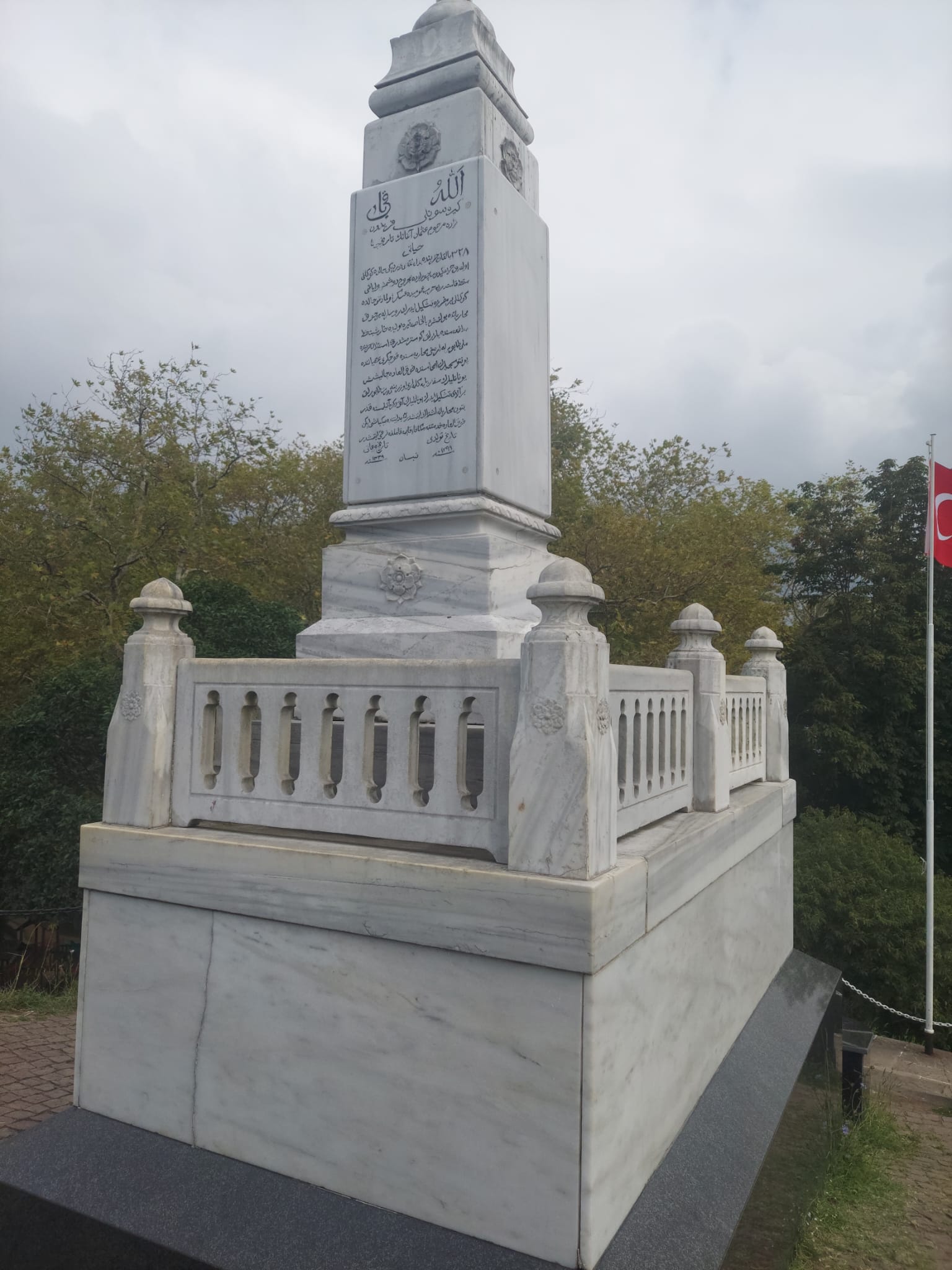
Dear visitors, as you tour the castle, I encourage you to direct your attention not only to the ramparts but also to the religious and cultural remains within. Traces of a small religious structure—referred to in historical records as the Church or Chapel of the Virgin Mary—and a small mosque shed light on the castle's use across different eras. Ottoman-era tombstones are also found within the castle grounds; these stones were reportedly relocated here from the site where the Dumlupınar Primary School once stood. Collectively, these remains serve as significant heritage elements, demonstrating that Tirebolu has borne the marks of diverse cultures and faiths throughout history.
One of the features that makes Tirebolu Castle special is its location, intimately connected with the Black Sea. From the castle ramparts, you can take in views of the sea, the coastline, and the seaside settlement of Tirebolu. The combination of historical character and sea views makes this an appealing destination for both cultural excursions and photography. Its location in the town center also makes it easy to include the castle in an itinerary that encompasses Tirebolu’s waterfront and other historical landmarks.
I recommend exercising caution when using the stairs leading up to the castle during your visit, and taking precautions against slippery surfaces, especially in wet weather. As you walk along the ramparts, you can examine the historic stonework, observe the ruins within the castle, and enjoy the view of the Black Sea. Tirebolu Castle is not merely a defensive structure from the past; it is a vital piece of cultural heritage that reflects the town's historical identity and its enduring bond with the sea. As you leave this place, imagining the people who—over the centuries—kept watch over the surroundings from this vantage point overlooking the coast will help you better sense the castle's historic atmosphere.
📚 Sources
https://giresun.ktb.gov.tr/TR-396478/tirebolu-kalesi.html
https://www.tirebolu.gov.tr/turizm
https://www.kulturportali.gov.tr/turkiye/giresun/gezilecekyer/tirebolu-kalesi
https://giresun.ktb.gov.tr/TR-396691/tirebolu--saint-jean-kalesi.html